
Is a Camaro Considered a Sports Car for Insurance?

The Chevrolet Camaro is an iconic American muscle car. With its bold design, powerful engines, and exhilarating performance, it’s no surprise that people often ask: Is a Camaro considered a sports car for insurance? The short answer is yes. In most cases, the Camaro is classified as a sports or high-performance car by insurance companies. However, the full answer depends on your model, trim level, driving profile, and insurer. Let’s explore how this classification works, how it affects your insurance premiums, and what you can do to manage your costs while enjoying your Camaro. GET A FREE QUOTE What Is a Sports Car According to Insurance Companies? Insurance companies do not use a universal definition for a “sports car.” Instead, they use a range of criteria to classify vehicles: Horsepower and engine size Two-door versus four-door configuration Acceleration speed and torque Vehicle weight and handling characteristics Manufacturer’s market classification Trim level and factory-installed performance upgrades Since the Camaro is designed with performance in mind and includes high-output engine options, it is usually placed in the sports or performance category. Camaro Trim Levels and Insurance Classifications The Chevrolet Camaro is available in a range of trims that vary widely in performance and price. Insurance companies factor in these differences when calculating your rate. Trim Level Horsepower Likely Insurance Classification Camaro 1LS, 1LT, 2LT 275 to 335 HP Sports car or performance coupe Camaro 3LT 335 HP Sports coupe Camaro LT1 and SS 455 HP High-performance vehicle Camaro ZL1 650 HP Track-focused performance car As you move up to trims like the SS or ZL1, the classification becomes more aggressive. These models have race-ready features that insurers associate with greater risk. GET A FREE QUOTE Why Classification Matters for Insurance Rates Once your Camaro is labeled a sports car, insurers typically assume: It has higher repair and replacement costs It is more likely to be involved in high-speed accidents It attracts younger drivers who pose a statistically higher risk It may be more frequently targeted for theft All of these factors lead to higher premiums, even if you have a clean driving record. Average Camaro Insurance Costs by Trim Camaro Model Estimated Annual Insurance Cost Camaro 1LS or 1LT 1,800 to 2,300 USD Camaro 3LT 1,900 to 2,500 USD Camaro SS 2,500 to 3,000 USD Camaro ZL1 3,000 to 3,800 USD or more These figures can vary based on age, driving history, location, and insurer. The more powerful the trim, the more expensive it tends to be to insure. What Else Influences Camaro Insurance Rates? Even though classification plays a big role, insurers look at other details to assess your overall risk: Your age and gender Driving record and history of claims Where you live Annual mileage Credit score in most states Intended use (daily driving or recreational) Vehicle safety features and anti-theft systems For example, a 40-year-old driver with no accidents living in a rural area may pay far less for Camaro insurance than a 22-year-old in a city. GET A FREE QUOTE Is the Camaro Practical as a Daily Driver from an Insurance View? The Camaro is fun to drive and delivers thrilling performance, but it may not be the most practical vehicle for everyday commuting due to: Higher insurance premiums Lower fuel efficiency Limited cargo space and backseat access Poor visibility in some trims Higher repair and maintenance costs However, many owners use the Camaro as a weekend car or a secondary vehicle, which may qualify them for occasional-use discounts. Tips to Reduce Camaro Insurance Premiums You can still enjoy your Camaro and keep your insurance costs in check by taking the following steps: Choose a base model or lower trim level Increase your deductible to reduce monthly premiums Bundle auto insurance with homeowners or renters insurance Enroll in safe driving or defensive driving programs Ask for good driver, multi-vehicle, or student discounts Install anti-theft and tracking systems Avoid performance modifications that raise risk profiles Shop around and compare rates every six to twelve months Some insurers also offer telematics or pay-per-mile programs that reward low-risk driving behavior. GET A FREE QUOTE How Camaro Insurance Compares to Other Sports Cars Car Model Average Annual Premium Chevrolet Camaro SS 2,500 to 3,000 USD Ford Mustang GT 2,400 to 2,900 USD Dodge Challenger R/T 2,300 to 2,800 USD Subaru WRX 2,000 to 2,500 USD As you can see, the Camaro falls in line with other popular sports coupes, though trim and age play a large role in the final cost. Here Are 5 Important FAQs Is every Camaro considered a sports car for insurance? Most insurers will treat all trims of the Camaro as sports cars, especially performance trims like the SS and ZL1. Entry-level trims may have slightly lower classifications with some providers. Are Camaros more expensive to insure than sedans? Yes. Sports coupes like the Camaro are usually more costly to insure due to higher performance capabilities and higher risk categories. Are Camaros more expensive to insure than Mustangs? They are in a similar range. Depending on the driver profile, one might be slightly cheaper or more expensive. Can I remove my Camaro from being classified as a sports car? No. Insurance companies use the vehicle identification number to classify the car, and that classification is fixed based on manufacturer specs. Will adding safety features help lower my premium? Yes. Features like lane assist, blind-spot monitoring, and advanced braking systems can help reduce your risk profile. Final Thoughts So, is a Camaro considered a sports car for insurance? In most cases, yes. Due to its high-performance capabilities, two-door coupe design, and sporty image, the Camaro is usually classified as a sports or performance vehicle by insurance companies. This classification results in higher premiums, particularly for trims like the SS and ZL1. That said, you can still find competitive rates by selecting the right trim, keeping a clean record, and comparing quotes from multiple providers. Whether you drive a Camaro daily or use it for weekend fun, understanding
Is a Honda Civic Considered a Sports Car for Insurance?

No, a standard Honda Civic is not considered a sports car for insurance purposes. Insurance companies generally classify the base Civic LX, EX, Sport, and Touring trims as compact passenger sedans or hatchbacks. These models carry moderate horsepower, strong safety ratings, and affordable repair costs, all of which place them in a standard vehicle category with competitive insurance rates. However, the answer changes when you look at the performance-oriented trims. The Civic Si, with its turbocharged engine and sport-tuned suspension, sits in a gray area. Some insurers classify it as a sport compact, while others treat it similarly to a standard sedan. The Civic Type R is a different story. With 306 horsepower, a manual transmission, and track-focused engineering, most insurance companies consider the Type R a sports car or high-performance vehicle, which leads to noticeably higher premiums. The distinction matters because sports car classification directly affects what you pay for coverage. Vehicles labeled as sports cars tend to have higher insurance rates due to factors like increased accident risk, more expensive repairs, and a driver profile that statistically involves more aggressive driving behavior. A standard Honda Civic avoids most of these risk factors, which is why it remains one of the more affordable cars to insure in the United States. According to industry data, the average annual cost to insure a Honda Civic with full coverage is approximately $2,410. That figure drops for base trims and rises significantly for the Type R, which can cost over $300 per month to insure. Understanding exactly how your insurer classifies your specific Civic trim is the key to knowing what you will pay and whether you can find a better deal elsewhere. GET A FREE QUOTE How Do Insurance Companies Classify a Car as a Sports Car? There is no universal definition of a sports car across the insurance industry. Each company uses its own proprietary system to classify vehicles, often based on data from the Insurance Services Office (ISO) VIN coding system or internal rating algorithms. However, most insurers evaluate a similar set of factors when deciding whether a vehicle qualifies as a sports car. Key Factors Insurers Consider Engine power and horsepower: Higher horsepower typically signals a performance-oriented vehicle. Cars with 200+ HP often receive closer scrutiny. Number of doors: Two-door coupes are more likely to be classified as sports cars than four-door sedans, even with similar specs. Vehicle weight and body style: Lightweight cars with aggressive styling cues (spoilers, wide body, low ride height) may be flagged as sporty. Top speed and acceleration: Faster 0-60 times and higher top speeds increase a vehicle’s risk classification. Repair and replacement costs: Specialty parts, limited production, and higher labor costs for performance vehicles push premiums up. Theft rates and claims history: Models with high theft rates or frequent insurance claims cost more to insure regardless of classification. Driver demographics: If a car is disproportionately owned by younger or higher-risk drivers, insurers factor that into the rate. The Honda Civic has historically high theft rates, which can inflate insurance costs even for base trims. This is separate from the sports car classification but still affects your premium. Honda Civic Trim Breakdown: Which Models Are Considered Sporty? Not all Honda Civics are created equal when it comes to insurance classification. The trim level you choose has a direct impact on how your insurer categorizes the vehicle and what you pay for coverage. Civic Trim Horsepower Body Style Sports Car? Insurance Impact LX 158 HP Sedan/Hatch No Standard rates Sport 158 HP Sedan/Hatch No Standard rates EX 158 HP Sedan/Hatch No Standard rates Touring 158 HP Sedan/Hatch No Standard rates Si 200 HP Sedan Sometimes Moderately higher Type R 306 HP Hatchback Usually yes Significantly higher Note: Horsepower figures based on 2024-2025 model year specifications. Classification varies by insurer. The Civic LX, Sport, EX, and Touring all share the same 158-horsepower turbocharged four-cylinder engine. Despite the “Sport” name on one trim, it refers to cosmetic and feature upgrades rather than performance enhancements. These trims are firmly in the compact sedan category for insurance purposes. The Civic Si adds a more powerful 200-horsepower engine, a limited-slip differential, sport-tuned suspension, and a manual transmission. Some insurers flag this as a sport compact, while others keep it in the standard sedan category. The classification depends entirely on the provider. The Civic Type R represents Honda’s all-out performance offering. Its 306-horsepower turbocharged engine, aggressive aerodynamics, and track-ready suspension make it one of the most powerful front-wheel-drive production cars available. Most insurers classify the Type R as a sports car, and its insurance rates reflect that. How Much Does It Cost to Insure a Honda Civic? Insurance costs for a Honda Civic vary widely depending on the trim, your age, driving record, location, and the insurer you choose. Here is a general overview of what you can expect. Civic Model Avg. Monthly (Full Coverage) Avg. Monthly (Minimum) Civic LX/EX/Sport $159 – $200 $63 – $83 Civic Si $200 – $260 $85 – $110 Civic Type R $301 – $338 $100 – $140 Sources: Insure.com, MoneyGeek, ValuePenguin (2025-2026 data). Rates based on 30-year-old driver profiles. Individual quotes will vary. For a young driver (18 years old), the cost jumps dramatically. An 18-year-old insured a Civic Type R can expect to pay around $829 per month on average, which is nearly three times what a 30-year-old would pay for the same vehicle. Age is one of the single biggest factors in determining your premium. If you are a young driver looking for ways to reduce your costs, exploring options for car insurance for young drivers can help you find affordable coverage. Why Does Insurance Classification Matter So Much? The way your insurer classifies your Honda Civic affects more than just your monthly bill. It shapes the entire cost of ownership over the life of the vehicle. Here is why the distinction between a standard car and a sports car matters for your wallet. Higher premiums: Sports cars cost 20% to
Can I Add My Girlfriend to My USAA Car Insurance?

Yes, you can add your girlfriend to your USAA car insurance policy in most cases, but she must meet certain eligibility requirements. The most important rule is that she needs to live at the same address as you and have regular access to your insured vehicle. If she meets those conditions, USAA allows you to list her as a driver on your policy regardless of whether you are married. USAA is a membership-based insurer that primarily serves active military, veterans, and their families. Your girlfriend does not need her own USAA membership to be added as a listed driver on your auto policy. However, she cannot access full USAA member benefits (like banking or investing products) unless she independently qualifies for membership. If your girlfriend does not live with you and only drives your car occasionally, she may already be covered under USAA’s permissive use provision. Most auto insurance policies, including USAA’s, extend limited coverage to anyone you give permission to drive your vehicle on an infrequent basis. But if she drives your car regularly or lives at the same address, USAA expects you to formally add her to the policy. Adding your girlfriend to your USAA policy will affect your premium. USAA evaluates her age, driving record, accident history, and credit profile (where allowed by state law) to calculate the rate adjustment. A clean driving record may result in only a modest increase, while a history of tickets or accidents can raise your premium more significantly. GET A FREE QUOTE What Are USAA’s Requirements for Adding a Girlfriend? USAA has specific guidelines about who can be added to an auto insurance policy. Understanding these rules helps you avoid surprises during the process. She May Be Eligible If: She lives at the same address as you and has regular access to your vehicle. She drives your car on a frequent basis, even if she does not live with you full-time. Her name is on the vehicle title or loan as a co-owner or co-signer. You share legal custody of a child and live in the same household. She May Not Be Eligible If: She lives at a separate address and rarely drives your car. She owns her own vehicle and already has a separate insurance policy. She does not meet USAA’s underwriting criteria based on her driving history. USAA’s rules can vary slightly depending on the state where you live. Some states have different regulations about who must be listed on an auto policy and who can be excluded. Always confirm directly with USAA to get the most accurate information for your specific situation. How to Add Your Girlfriend to Your USAA Policy The process of adding a driver to your USAA auto insurance policy is straightforward. Here is what to expect. Information You Will Need Her full legal name and date of birth Her driver’s license number and issuing state Her driving history, including any accidents or violations Her Social Security number (USAA may use this for identity verification and, where permitted, credit-based rating) Vehicle information if she owns a car you want to add to the policy Steps to Complete Log in to your USAA account online or through the USAA mobile app. Navigate to your auto insurance policy and look for the option to add a driver. Enter your girlfriend’s information as prompted by the system. Review the updated premium. USAA will show you the new rate before you confirm the change. Confirm and save the changes. Request updated policy documents for your records. You can also add a driver by calling USAA at 1-800-531-8722. Representatives are available Monday through Friday from 6 a.m. to 10 p.m. Central Time, and Saturdays from 8 a.m. to 8 p.m. Central Time. Live chat is another option for those who prefer not to call. How Much Will It Cost to Add Your Girlfriend? The premium change after adding your girlfriend depends on several factors that USAA evaluates when rating a new driver on your policy. Factors That Affect the Cost Factor Lower Impact on Premium Higher Impact on Premium Age 25+ years old Under 25 Driving Record Clean record (no tickets/accidents) Tickets, accidents, or DUI Credit Score Good to excellent credit Poor or no credit history Driving Experience 5+ years of licensed driving New or inexperienced driver Vehicle Type Standard sedan or SUV Sports car or high-value vehicle Note: Credit score usage varies by state. Some states prohibit insurers from using credit as a rating factor. In some cases, adding a driver with an excellent record can actually save you money, especially if you qualify for a multi-car discount by adding her vehicle to your policy. On the other hand, adding someone with a poor driving history could increase your rate by 20% to 40% or more, depending on the severity of the violations. USAA will show you the revised premium before you finalize the change, so there are no surprises. If the cost increase is too high, you can explore alternative options before committing. What Happens If She Drives Your Car Without Being Listed? This is one of the most important questions couples face, and the answer depends on how often she drives your vehicle. Permissive Use: Occasional Driving Most auto insurance policies, including USAA’s, include a permissive use clause. This means that if someone borrows your car with your consent on an occasional basis (generally fewer than 10 to 15 times per year), they are covered under your policy. If your girlfriend only drives your car once in a while, permissive use likely applies. Regular Driving Without Being Listed If your girlfriend drives your vehicle frequently and is not listed on your policy, you are taking a significant financial risk. If she causes an accident while driving your car, USAA could deny the claim entirely or limit the coverage. The insurer may argue that she should have been listed as a regular driver, and your failure to disclose that information is a material misrepresentation. The consequences
Does a Co-Signer Have to Be on the Car Insurance?

Getting a car loan with the help of a co-signer can be a great way to qualify for financing when your credit history or income is limited. But once the loan is approved and the car is yours, another important question arises: Does the co-signer need to be listed on the car insurance policy? The short answer is no, a co-signer does not typically need to be on the car insurance policy. However, depending on the loan structure, ownership details, and insurance company requirements, there are situations where their involvement may affect the insurance setup. This guide explains everything you need to know about the role of co-signers, how they relate to car insurance, and what steps to take to stay compliant and protected. What Is a Co-Signer on a Car Loan? A co-signer is someone who agrees to take financial responsibility for a car loan if the primary borrower fails to make payments. Co-signers are usually family members or close friends with strong credit histories. Responsibilities of a Co-Signer: Legally responsible for the loan if the primary borrower defaults May see the loan reported on their credit report Can affect their own credit and debt-to-income ratio A co-signer does not usually gain any legal ownership or access to the vehicle unless their name is on the title or registration. Car Ownership vs. Loan Responsibility It is important to understand that loan co-signing does not equal vehicle ownership. The owner is the person whose name is on the vehicle’s title The borrower is the person making the payments The co-signer is legally tied to the loan but not necessarily to the car itself Because car insurance follows the vehicle and its use, only the registered owner and primary driver typically need to be listed on the insurance policy. Do Co-Signers Need to Be Listed on the Insurance Policy? Generally, no, unless one of the following applies: 1. They Are Also a Co-Owner If the co-signer is also listed on the vehicle’s title, then they share ownership and may need to be listed on the insurance policy, especially if required by the insurer. 2. They Live at the Same Address and May Drive the Car If the co-signer lives with the primary borrower and has access to the vehicle, they may be required to be listed as a driver under the policy. 3. Your Insurance Company Requires All Financially Interested Parties Some insurance companies may require disclosure of anyone with a financial interest in the car, including co-signers, even if they are not owners or drivers. Tip: Check with your insurer to clarify their rules. Requirements vary depending on the provider and your location. Who Must Be Listed on a Car Insurance Policy? Auto insurance providers usually require: The primary policyholder (main driver) All household members with access to the car Co-owners named on the title In contrast, a co-signer who does not live with you, does not drive the car, and is not on the title, typically does not need to be added. How Insurance Protects the Co-Signer’s Financial Interest While the co-signer may not be listed on the insurance policy, they still have a financial interest in the vehicle being protected. If the car is totaled or stolen and uninsured, the loan must still be repaid, and both the borrower and co-signer remain responsible. This is why most lenders—especially those with co-signers—institute requirements like: Full coverage insurance including collision and comprehensive Lender listed as a lienholder on the policy Proof of insurance before financing approval What Happens If the Borrower Cancels Insurance? If the borrower cancels insurance while the car loan is active, it puts both the borrower and the co-signer at serious financial risk. The lender may respond by: Placing force-placed insurance on the vehicle (usually more expensive) Reporting the loan as non-compliant Taking legal action or repossessing the vehicle This is why co-signers should stay in communication with the borrower to ensure insurance remains active and compliant. Can a Co-Signer Get Their Own Insurance on the Car? If the co-signer is not listed on the title, they cannot purchase a standalone car insurance policy for the vehicle. To insure a vehicle, the policyholder must have: An insurable interest (ownership or usage rights) Be named on the vehicle title or registration If the co-signer is concerned about their financial exposure, they can request to be added as a loss payee or additional interest on the insurance policy. This ensures they are notified of any policy cancellations or lapses. Real-Life Scenarios Scenario 1: Co-Signer Not on the Title You buy a car and your parent co-signs the loan, but the title is in your name only. They do not drive the car or live with you. Outcome: They do not need to be on the insurance policy. Scenario 2: Co-Signer Is a Co-Owner Your sibling co-signs and is also added to the vehicle’s title. You both use the car. Outcome: Both of you must be listed on the insurance. Scenario 3: Co-Signer Lives With You Your roommate co-signs and occasionally uses the car. Though not on the title, they live in your household. Outcome: They may need to be listed as a driver on your policy. Here Are 5 Important FAQs Does a co-signer have to be on the title? No. A co-signer guarantees the loan but is not automatically a co-owner. Title and loan documents are separate. What if I remove my co-signer later? You can refinance the loan in your name only, removing the co-signer’s legal responsibility. Once removed, they no longer have any say in insurance. Can a co-signer be liable if there’s an accident? Only financially. They are not responsible for insurance claims unless they were driving the vehicle at the time of the accident. Does the co-signer get notified about insurance cancellations? Not unless they are listed as an additional interest or loss payee. This is something you can request. Is a co-signer the same as a co-owner? No. A co-signer is
Can You Leave a Car Dealership Without Insurance?

Buying a new or used car is exciting, but it also comes with a list of important responsibilities—including insurance. One of the most common questions new car buyers ask is: Can you leave a car dealership without insurance? The short answer is no, in most cases you cannot legally drive off the lot without proof of insurance. Driving without insurance is illegal in nearly every U.S. state, and most dealerships will not let you take possession of a vehicle until they see valid coverage. This comprehensive guide breaks down the insurance requirements when buying a car, what options you have if you are not currently insured, and how to get coverage on the spot. GET A FREE QUOTE Is Insurance Required to Drive Off the Lot? Yes. Every state except New Hampshire and Virginia requires drivers to carry minimum liability insurance. Even in those two states, you may still be financially liable for damages in an accident, so insurance is strongly recommended. Why Dealerships Require Proof of Insurance: To protect the vehicle during test drives and delivery To ensure compliance with state laws To satisfy loan or lease requirements If you are financing or leasing the car, your lender will likely require: Collision coverage Comprehensive coverage Proof that the lender is listed as a lienholder Tip: Most dealerships won’t let you leave without showing an insurance ID card or digital proof on your phone. What If You Already Have an Auto Insurance Policy? If you already have a car insurance policy, you may be able to drive your new car home under your existing coverage but only for a limited time. Typical Grace Period: Most insurers offer a 7 to 30-day grace period for adding a newly purchased vehicle to your policy. During that time: Your new car is temporarily covered under your current policy Coverage mirrors the existing policy (e.g., liability-only, full coverage) Always check your policy or call your insurer to confirm your grace period. GET A FREE QUOTE Buying Without Existing Insurance: What Are Your Options? If you don’t have any current insurance, you’ll need to purchase a new policy before you can drive off the lot. Here are your options: 1. Get Insurance Online Most major insurers offer instant quotes and same-day coverage. You can: Visit the insurance company’s website Enter your vehicle and personal info Choose your coverage and complete the payment Receive digital proof of insurance immediately 2. Buy Through the Dealership Some dealerships partner with insurance agencies and can help you get a quote and policy before you leave. This can be convenient, but it’s still a good idea to compare rates. 3. Call an Insurance Agent If you prefer a personal touch, speak to an agent over the phone. Many agencies can issue coverage within minutes. Note: Insurance premiums for a new vehicle can be high, especially if you’re financing and need full coverage. Get multiple quotes to find the best deal. What If You Buy a Car After Dealership Hours? If you buy a car after business hours or on a weekend when your insurance agent is unavailable, you still have options: Use online portals to activate coverage Use the mobile app of your current insurer to add the vehicle Ask the dealer to hold the car until you can provide insurance the next day Never drive off the lot assuming you’re covered. Verify your insurance is active before getting behind the wheel. GET A FREE QUOTE Can You Take a Car Home on a Temporary Permit? Some states and dealerships offer temporary operating permits or tags to move the vehicle from the dealership to your home or DMV—but this does not exempt you from needing insurance. Temporary permits may include: Transit tags valid for 3 to 30 days Short-term license plates Dealership-issued documentation Even with a temporary tag, insurance is still legally required in nearly every state. What Happens If You Drive Without Insurance? Driving a new car off the lot without insurance can have serious consequences: Fines and penalties from law enforcement License suspension or vehicle impoundment Out-of-pocket costs for any damages if you’re in an accident Loan default risk if the vehicle is uninsured and damaged In short, it’s a legal and financial gamble that’s not worth taking. What Kind of Insurance Do You Need for a New Car? The type of coverage you need depends on how you’re purchasing the vehicle: Cash Purchase: At minimum, state-required liability coverage Optional: Collision, comprehensive, uninsured motorist Financing or Leasing: Liability (state minimum) Collision Comprehensive Gap insurance (recommended if you’re upside-down on the loan) Lender listed as a lienholder Some lenders will not finalize financing without seeing proof of full coverage. GET A FREE QUOTE How to Prepare Before Visiting the Dealership To make the process smoother, here’s what to do before heading to the lot: Get pre-approved for financing so you know your budget Get insurance quotes in advance for the car models you’re considering Have your existing insurance details ready (if applicable) Choose your coverage levels and deductible amount Have your driver’s license and payment info on hand Real-Life Scenarios Scenario 1: Already Insured, Buying a Second Car You already have insurance for your current vehicle. Your policy offers a 14-day grace period, so you can drive your new car home and notify your insurer within that time. Scenario 2: First-Time Buyer with No Insurance You don’t have existing coverage. The dealership requires proof before letting you leave. You get a quote online, pay, and receive your digital ID card within minutes. Scenario 3: Trading in an Old Car for a New One Your current policy will temporarily extend coverage to the new vehicle. Just make sure to notify your insurer and switch the vehicle details within the grace period. Here Are 5 Important FAQs Can I drive a car home without insurance if I just bought it? No. You must have valid insurance to legally drive a car off the dealership lot in almost every state.
Can I Add My Girlfriend to My Car Insurance?

As relationships grow more serious, couples often begin sharing more aspects of daily life including vehicles. If your girlfriend regularly drives your car or even lives with you, it is natural to wonder, “Can I add my girlfriend to my car insurance?” The short answer is yes, you usually can add your girlfriend to your car insurance policy, but it depends on your insurer’s guidelines and your living situation. Insurance companies assess risk based on who uses your vehicle, where it is garaged, and the driver’s personal history. Adding someone to your policy who does not live with you or drive your car regularly may be more complicated. This blog will guide you through when and how you can add your girlfriend, the benefits and risks, and what to consider before updating your insurance. GET A FREE QUOTE When Can You Add Your Girlfriend to Your Car Insurance? You may be able to add your girlfriend to your policy under the following circumstances: 1. You Live Together Most insurance companies allow you to add any licensed driver living in your household to your policy. If your girlfriend lives with you and drives your car, she likely qualifies. 2. She Regularly Drives Your Car Even if she does not live with you, if she frequently drives your car, some insurers may allow her to be added as a permissive user or a listed driver with proper documentation. 3. You Share Vehicle Ownership If both of your names are on the car title or registration, you will likely be required to list both drivers on the policy. Tip: Each insurer has different rules. Always check with your provider about their requirements. Situations Where You Might Not Be Able to Add Her There are cases where your insurance company may not allow your girlfriend to be added: She does not live with you and rarely uses your car She has a poor driving history (multiple accidents, violations) You are trying to avoid higher premiums by not disclosing her regular use You do not have shared ownership or an established relationship recognized by the insurer Failing to properly disclose regular drivers can result in claims being denied or even policy cancellation. How to Add Your Girlfriend to Your Policy Adding someone to your car insurance is usually a straightforward process: Contact your insurance provider via phone, app, or website Provide her information: full name, driver’s license number, date of birth, and address Answer questions about how often she drives the car Review your new premium and confirm policy changes Pro tip: If your girlfriend has a clean driving record, adding her may have little or no impact on your rates. In some cases, it could lower them. GET A FREE QUOTE Will Adding Your Girlfriend Affect Your Insurance Premium? Possibly. When you add another driver, your insurance company will evaluate her risk profile: Driving history and past claims Age and license experience Type of vehicle being insured Credit score (in some states) Potential Outcomes: No significant change if she is a safe driver Slight increase if she is younger or has minor incidents Major increase if she has a poor driving history Many companies offer multi-driver or multi-policy discounts if you bundle home, renters, or other insurance with auto coverage. Should You Add Her If She Has Her Own Car? If your girlfriend has her own car and her own insurance, you do not need to add her to your policy unless: She frequently drives your vehicle You live together and your insurer requires all licensed household drivers to be listed If she only occasionally borrows your car and is not a household member, your insurance may still cover her under permissive use, which allows friends and family to drive your car occasionally without being on your policy. What Happens If You Do Not Add Her and She Gets in an Accident? If your girlfriend is not listed on your policy but drives your car and gets into an accident, the outcome depends on your insurer’s rules: If she had permissive use, your policy may still cover the claim If she drives the car regularly and was not disclosed, the claim may be denied Your premiums could increase or your policy could be canceled It is always safer to be transparent with your insurer to avoid problems when filing a claim. GET A FREE QUOTE Real-Life Scenarios Scenario 1: Living Together, Shared Car You and your girlfriend live together and share one car. She uses it daily to commute to work. Result: She should be added to your policy as a listed driver Scenario 2: Weekend Driver Only She drives your car only once or twice a month when visiting, and you do not live together. Result: She may be covered under permissive use, but confirm with your insurer Scenario 3: High-Risk Driver She has had multiple traffic violations. Adding her raises your premium significantly. Result: You may still need to add her, or she may need her own policy Here Are 5 Important FAQs Can I add my girlfriend to my insurance if we do not live together? Sometimes. Some insurers allow non-household members to be added as occasional drivers, especially with proof of frequent use. Will my rate go up if I add her? It depends on her driving record. If she is a safe driver, the impact could be small. Can I add her temporarily? Yes. Many insurers allow temporary changes if she will be driving your car for a limited period. What if she has her own insurance? You do not need to add her unless she drives your vehicle regularly or lives with you. What if we break up? You should update your policy immediately to remove her, especially if she no longer drives your vehicle. Final Thoughts So, can you add your girlfriend to your car insurance? Yes—in most cases, especially if you live together or she drives your car frequently. Doing so ensures proper coverage,
Does Car Insurance Cover Rust Damage?
Rust is one of the most common and frustrating issues car owners face—especially in areas with high humidity, winter road salt, or coastal environments. Over time, rust can cause serious damage to your vehicle’s body, undercarriage, and even its frame. If you’ve spotted rust on your vehicle, you might be wondering: Does car insurance cover rust damage? The short answer is usually no. Most standard car insurance policies do not cover rust damage, especially if it develops gradually. However, there are exceptions depending on how the rust occurred and the type of insurance coverage you have. In this guide, we’ll explore the causes of rust, what types of rust-related damage might be covered, and how to protect your car from future corrosion. Understanding the Different Types of Rust Before diving into insurance coverage, it’s important to understand that not all rust is the same. There are three primary types: 1. Surface Rust This is the earliest stage of rust, often caused by scratches or nicks in the paint. It’s mostly cosmetic and can be treated fairly easily. 2. Scale Rust When surface rust is ignored, it can turn into scale rust, which affects the metal beneath the paint. This can weaken the car’s panels or frame. 3. Penetrating Rust The most serious form of rust, this can eat through entire sections of metal, compromising the car’s structural integrity and safety. Rust typically develops slowly over time, which plays a major role in how insurers determine coverage. What Car Insurance Typically Covers Auto insurance is designed to protect you from sudden, unexpected events. Policies generally include: Liability coverage – Covers damage you cause to others Collision coverage – Covers damage from an accident with another vehicle or object Comprehensive coverage – Covers damage from non-collision events like theft, vandalism, fire, or natural disasters Most policies exclude gradual wear and tear, which is how most rust damage occurs. When Car Insurance Does Not Cover Rust Insurance companies usually consider rust to be a maintenance issue. That means if your car develops rust from: Age Moisture accumulation Salt on the roads Neglect or poor maintenance Regular wear and tear …it will not be covered under a typical car insurance policy. This applies to both cosmetic rust and more serious corrosion. If the rust develops over time without a sudden cause, it’s your responsibility to fix it. When Car Insurance Might Cover Rust Damage There are rare cases where rust damage may be covered by your insurance policy: 1. Covered Incident Led to Rust If your car was in a covered incident—such as a flood, vandalism, or fire—and rust resulted from that event, it may be included in the claim. Example: Your car is submerged in a flood, and a few weeks later, rust begins to appear on the undercarriage. If you filed a comprehensive claim for the flood, the rust-related damage might be part of the repair. 2. Rust Resulting from an Accident If your car’s paint or body was damaged in a collision and not properly repaired, leading to rust, you might be able to file a follow-up claim—if it’s reported quickly. Important: Rust must be directly tied to a sudden and covered peril to be eligible for insurance coverage. Does Gap Insurance Cover Rust? No. Gap insurance covers the difference between what you owe on a car loan and the car’s actual cash value if it’s totaled. It does not cover repairs or rust damage. Does Extended Warranty or Rust Protection Help? Some automakers offer corrosion warranties, which may cover rust for a certain number of years or miles. These usually include: Coverage for rust perforation (holes caused by rust) Time limits, often 5 to 12 years depending on the manufacturer If your vehicle is still under this warranty, you may be eligible for repairs or part replacements. Tip: Check your owner’s manual or contact the dealership for details about rust protection warranties. Cost of Repairing Rust Damage Repair costs depend on how advanced the rust is: Type of Rust Estimated Repair Cost Surface rust 100 to 300 USD Scale rust 500 to 1,000 USD Penetrating rust 1,500 to 3,000+ USD Severe rust on structural components can require welding, panel replacement, or even total vehicle loss if safety is compromised. How to Prevent Rust and Save on Repairs While insurance rarely covers rust, you can take steps to prevent it: 1. Wash Your Car Regularly Especially after snowstorms or when driving near the ocean. Salt and moisture are the main culprits. 2. Wax and Seal Your Paint Applying wax and sealants can protect your paint and prevent scratches that lead to rust. 3. Inspect and Repair Early Catching rust in its early stages can save you thousands in repairs. Check wheel wells, undercarriage, and door edges. 4. Store Your Car Indoors Garage parking reduces exposure to moisture and salt. 5. Apply Rustproofing Treatments Professional rustproofing sprays or electronic modules may reduce corrosion over time. Real-Life Scenarios Scenario 1: Salt Exposure in Winter You live in a snowy region and notice rust under your vehicle. Since it developed slowly, it’s not covered by insurance. Scenario 2: Flooded Vehicle Your car was submerged in a hurricane. After filing a comprehensive claim, rust appears within a month. It’s part of the original covered event. Scenario 3: Post-Collision Rust You had an accident and the paint on your bumper cracked. A year later, rust appears in that spot. The claim might be denied unless it was documented during the initial repair. Here Are 5 Important FAQs Will my insurance cover rust if it causes a mechanical failure? Generally no, unless the failure is directly linked to a covered event like a flood or collision. Can I claim rust as vandalism? Only if you can prove someone deliberately caused the damage. Natural corrosion does not count. Is rust damage ever considered a total loss? Yes. If rust severely compromises the vehicle’s frame or safety, repairs may exceed its value, making it a total loss.
Can I Get USAA Car Insurance for My Girlfriend’s Car?

Flat tires are one of the most common problems drivers face. Whether it’s a nail on the road, a sudden pothole, or just wear and tear, they can quickly ruin your day. And if you’re stuck on the side of the road, you’re probably wondering, “Does car insurance cover flat tires?” The short answer: It depends. Car insurance generally doesn’t cover flat tires caused by wear and tear, but there are specific cases where your insurance might help you out. Let’s explore when flat tires are covered, when they’re not, what kind of car insurance you need, and what you can do to protect yourself on the road. Situation Covered? Insurance Type Regular wear and tear ❌ No Not covered Nail or road debris damage ❌ Usually no Some exceptions apply Accident or collision ✅ Yes Collision coverage Vandalism (e.g., slashed tires) ✅ Yes Comprehensive coverage Roadside help for flat tire service ✅ Yes Roadside assistance add-on Tire replacement (non-accident) ❌ No Not covered 1. Telematics Devices Most pay-as-you-go insurance providers offer a telematics device that plugs into your car’s Onboard Diagnostics (OBD-II) port. These devices track your mileage automatically and send data directly to your insurer. How It Works: The device is installed in your car’s OBD-II port, usually located under the dashboard. It records your mileage, driving habits, and sometimes location. Data is transmitted to your insurer in real-time or at regular intervals. Benefits: Accurate Tracking: Automatically records miles without manual input. Comprehensive Data: Some devices track driving behavior, such as speeding and braking, which may lower your premium. Convenient Setup: Once installed, the device works continuously. Example Providers: Progressive Snapshot Allstate Milewise State Farm Drive Safe & Save 2. Mobile Apps Many insurers use mobile apps to track mileage for pay-as-you-go policies. These apps leverage your smartphone’s GPS and accelerometer to monitor how far you drive. How It Works: Download the insurer’s app and link it to your account. The app runs in the background, tracking your trips and recording data. Mileage data is automatically uploaded to your insurer. Benefits: No Hardware Needed: No additional devices are required; your smartphone does all the work. Easy Access to Data: View your mileage, driving habits, and policy details in real-time. Low Maintenance: Once set up, the app operates automatically. Tips for Using Mobile Apps: Enable location services on your phone for accurate tracking. Ensure your phone is charged during trips to avoid interruptions in data collection. Check the app periodically to verify recorded mileage. Example Providers: Metromile App Nationwide SmartRide Root Insurance App 3. Mileage Reporting Some pay-as-you-go insurance providers allow manual mileage reporting, where you log your miles and submit the data to the insurer. While this method requires more effort, it’s a viable option for drivers who prefer not to use telematics devices or apps. How It Works: Record your odometer readings at the beginning and end of each billing cycle. Submit the readings via the insurer’s website, app, or customer service. The insurer calculates your premium based on the reported mileage. Benefits: Privacy Control: No telematics or GPS tracking is required. Simpler Setup: No need for devices or apps. Flexible Use: Ideal for older vehicles without OBD-II ports. Tips for Accurate Reporting: Take clear photos of your odometer for verification. Submit mileage readings on time to avoid delays in premium calculation. Keep a log of your trips to reconcile your mileage records if needed. 4. Third-Party Mileage Tracking Devices If your insurer doesn’t provide a telematics device, you can use a third-party mileage tracker to monitor your driving distance. These devices work similarly to insurer-provided telematics but are independent of your insurance company. How It Works: Purchase and install a third-party tracker in your OBD-II port. Use the companion app or software to monitor your mileage. Share the data with your insurer if required. Benefits: Additional Insights: Some trackers offer extra features like fuel efficiency analysis or engine diagnostics. Control Over Data: You decide what information to share with your insurer. Portability: Can be used with multiple vehicles. Popular Third-Party Devices: Automatic Pro Zubie Key CarLock Tracker 5. Using Vehicle Odometer Readings If you prefer a manual, tech-free approach, you can rely on your car’s odometer to track mileage. This method is simple but requires discipline and regular logging. How It Works: Record your odometer reading at the start and end of each trip or billing cycle. Use a notebook, spreadsheet, or mileage log app to keep track. Provide the data to your insurer if manual reporting is required. Benefits: No Devices or Apps Needed: Works with any vehicle, including older models. Privacy Friendly: No location tracking or driving behavior monitoring. Cost-Free: No additional hardware or subscriptions required. Tips for Manual Tracking: Use mileage logs for detailed records of each trip. Verify odometer readings regularly to ensure accuracy. Submit clear photos of your odometer if required by your insurer. 6. Hybrid Tracking Approaches Some insurers allow a combination of methods, such as using both a telematics device and manual reporting. This hybrid approach can provide added flexibility for drivers with specific needs. How It Works: Use a telematics device for automated tracking when driving regularly. Manually report mileage for periods when the device isn’t installed (e.g., borrowing a car). Benefits: Combines the convenience of automation with the control of manual reporting. Useful for drivers with multiple vehicles or those who occasionally drive borrowed cars. Tips for Accurate Mileage Tracking Choose the Right Method: Select the tracking option that aligns with your preferences and driving habits. Stay Consistent: Regularly log or monitor mileage to avoid discrepancies in billing. Monitor Usage: Review your mileage reports from telematics devices or apps to ensure accuracy. Avoid Tampering: Don’t attempt to manipulate tracking devices or falsify mileage records, as this can lead to policy termination or legal consequences. Communicate with Your Insurer: If you notice discrepancies or have questions, contact your insurer promptly to address concerns. Conclusion Tracking your mileage for pay-as-you-go car insurance is essential to ensure accurate billing
Does Car Insurance Cover Flat Tires?
Flat tires are one of the most common problems drivers face. Whether it’s a nail on the road, a sudden pothole, or just wear and tear, they can quickly ruin your day. And if you’re stuck on the side of the road, you’re probably wondering, “Does car insurance cover flat tires?” The short answer: It depends. Car insurance generally doesn’t cover flat tires caused by wear and tear, but there are specific cases where your insurance might help you out. Let’s explore when flat tires are covered, when they’re not, what kind of car insurance you need, and what you can do to protect yourself on the road. Situation Covered? Insurance Type Regular wear and tear ❌ No Not covered Nail or road debris damage ❌ Usually no Some exceptions apply Accident or collision ✅ Yes Collision coverage Vandalism (e.g., slashed tires) ✅ Yes Comprehensive coverage Roadside help for flat tire service ✅ Yes Roadside assistance add-on Tire replacement (non-accident) ❌ No Not covered 1. Telematics Devices Most pay-as-you-go insurance providers offer a telematics device that plugs into your car’s Onboard Diagnostics (OBD-II) port. These devices track your mileage automatically and send data directly to your insurer. How It Works: The device is installed in your car’s OBD-II port, usually located under the dashboard. It records your mileage, driving habits, and sometimes location. Data is transmitted to your insurer in real-time or at regular intervals. Benefits: Accurate Tracking: Automatically records miles without manual input. Comprehensive Data: Some devices track driving behavior, such as speeding and braking, which may lower your premium. Convenient Setup: Once installed, the device works continuously. Example Providers: Progressive Snapshot Allstate Milewise State Farm Drive Safe & Save 2. Mobile Apps Many insurers use mobile apps to track mileage for pay-as-you-go policies. These apps leverage your smartphone’s GPS and accelerometer to monitor how far you drive. How It Works: Download the insurer’s app and link it to your account. The app runs in the background, tracking your trips and recording data. Mileage data is automatically uploaded to your insurer. Benefits: No Hardware Needed: No additional devices are required; your smartphone does all the work. Easy Access to Data: View your mileage, driving habits, and policy details in real-time. Low Maintenance: Once set up, the app operates automatically. Tips for Using Mobile Apps: Enable location services on your phone for accurate tracking. Ensure your phone is charged during trips to avoid interruptions in data collection. Check the app periodically to verify recorded mileage. Example Providers: Metromile App Nationwide SmartRide Root Insurance App 3. Mileage Reporting Some pay-as-you-go insurance providers allow manual mileage reporting, where you log your miles and submit the data to the insurer. While this method requires more effort, it’s a viable option for drivers who prefer not to use telematics devices or apps. How It Works: Record your odometer readings at the beginning and end of each billing cycle. Submit the readings via the insurer’s website, app, or customer service. The insurer calculates your premium based on the reported mileage. Benefits: Privacy Control: No telematics or GPS tracking is required. Simpler Setup: No need for devices or apps. Flexible Use: Ideal for older vehicles without OBD-II ports. Tips for Accurate Reporting: Take clear photos of your odometer for verification. Submit mileage readings on time to avoid delays in premium calculation. Keep a log of your trips to reconcile your mileage records if needed. 4. Third-Party Mileage Tracking Devices If your insurer doesn’t provide a telematics device, you can use a third-party mileage tracker to monitor your driving distance. These devices work similarly to insurer-provided telematics but are independent of your insurance company. How It Works: Purchase and install a third-party tracker in your OBD-II port. Use the companion app or software to monitor your mileage. Share the data with your insurer if required. Benefits: Additional Insights: Some trackers offer extra features like fuel efficiency analysis or engine diagnostics. Control Over Data: You decide what information to share with your insurer. Portability: Can be used with multiple vehicles. Popular Third-Party Devices: Automatic Pro Zubie Key CarLock Tracker 5. Using Vehicle Odometer Readings If you prefer a manual, tech-free approach, you can rely on your car’s odometer to track mileage. This method is simple but requires discipline and regular logging. How It Works: Record your odometer reading at the start and end of each trip or billing cycle. Use a notebook, spreadsheet, or mileage log app to keep track. Provide the data to your insurer if manual reporting is required. Benefits: No Devices or Apps Needed: Works with any vehicle, including older models. Privacy Friendly: No location tracking or driving behavior monitoring. Cost-Free: No additional hardware or subscriptions required. Tips for Manual Tracking: Use mileage logs for detailed records of each trip. Verify odometer readings regularly to ensure accuracy. Submit clear photos of your odometer if required by your insurer. 6. Hybrid Tracking Approaches Some insurers allow a combination of methods, such as using both a telematics device and manual reporting. This hybrid approach can provide added flexibility for drivers with specific needs. How It Works: Use a telematics device for automated tracking when driving regularly. Manually report mileage for periods when the device isn’t installed (e.g., borrowing a car). Benefits: Combines the convenience of automation with the control of manual reporting. Useful for drivers with multiple vehicles or those who occasionally drive borrowed cars. Tips for Accurate Mileage Tracking Choose the Right Method: Select the tracking option that aligns with your preferences and driving habits. Stay Consistent: Regularly log or monitor mileage to avoid discrepancies in billing. Monitor Usage: Review your mileage reports from telematics devices or apps to ensure accuracy. Avoid Tampering: Don’t attempt to manipulate tracking devices or falsify mileage records, as this can lead to policy termination or legal consequences. Communicate with Your Insurer: If you notice discrepancies or have questions, contact your insurer promptly to address concerns. Conclusion Tracking your mileage for pay-as-you-go car insurance is essential to ensure accurate billing
How to Track Your Mileage for Pay-As-You-Go Car Insurance
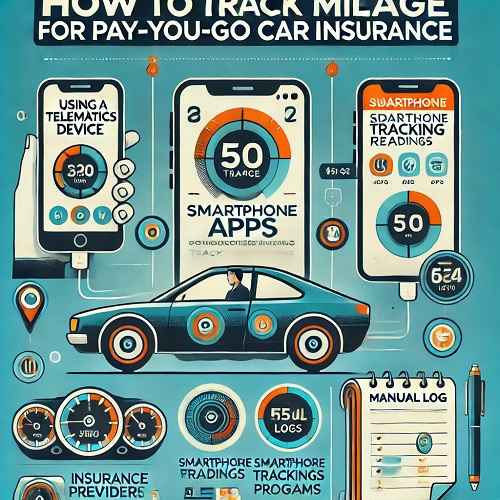
Pay-as-you-go car insurance relies on accurate mileage tracking to calculate premiums, making it essential to understand how to monitor your driving distance effectively. Whether your insurance provider uses telematics devices, mobile apps, or manual reporting, proper tracking ensures you only pay for what you drive. In this guide, 1. Telematics Devices Most pay-as-you-go insurance providers offer a telematics device that plugs into your car’s Onboard Diagnostics (OBD-II) port. These devices track your mileage automatically and send data directly to your insurer. How It Works: The device is installed in your car’s OBD-II port, usually located under the dashboard. It records your mileage, driving habits, and sometimes location. Data is transmitted to your insurer in real-time or at regular intervals. Benefits: Accurate Tracking: Automatically records miles without manual input. Comprehensive Data: Some devices track driving behavior, such as speeding and braking, which may lower your premium. Convenient Setup: Once installed, the device works continuously. Example Providers: Progressive Snapshot Allstate Milewise State Farm Drive Safe & Save 2. Mobile Apps Many insurers use mobile apps to track mileage for pay-as-you-go policies. These apps leverage your smartphone’s GPS and accelerometer to monitor how far you drive. How It Works: Download the insurer’s app and link it to your account. The app runs in the background, tracking your trips and recording data. Mileage data is automatically uploaded to your insurer. Benefits: No Hardware Needed: No additional devices are required; your smartphone does all the work. Easy Access to Data: View your mileage, driving habits, and policy details in real-time. Low Maintenance: Once set up, the app operates automatically. Tips for Using Mobile Apps: Enable location services on your phone for accurate tracking. Ensure your phone is charged during trips to avoid interruptions in data collection. Check the app periodically to verify recorded mileage. Example Providers: Metromile App Nationwide SmartRide Root Insurance App 3. Mileage Reporting Some pay-as-you-go insurance providers allow manual mileage reporting, where you log your miles and submit the data to the insurer. While this method requires more effort, it’s a viable option for drivers who prefer not to use telematics devices or apps. How It Works: Record your odometer readings at the beginning and end of each billing cycle. Submit the readings via the insurer’s website, app, or customer service. The insurer calculates your premium based on the reported mileage. Benefits: Privacy Control: No telematics or GPS tracking is required. Simpler Setup: No need for devices or apps. Flexible Use: Ideal for older vehicles without OBD-II ports. Tips for Accurate Reporting: Take clear photos of your odometer for verification. Submit mileage readings on time to avoid delays in premium calculation. Keep a log of your trips to reconcile your mileage records if needed. 4. Third-Party Mileage Tracking Devices If your insurer doesn’t provide a telematics device, you can use a third-party mileage tracker to monitor your driving distance. These devices work similarly to insurer-provided telematics but are independent of your insurance company. How It Works: Purchase and install a third-party tracker in your OBD-II port. Use the companion app or software to monitor your mileage. Share the data with your insurer if required. Benefits: Additional Insights: Some trackers offer extra features like fuel efficiency analysis or engine diagnostics. Control Over Data: You decide what information to share with your insurer. Portability: Can be used with multiple vehicles. Popular Third-Party Devices: Automatic Pro Zubie Key CarLock Tracker 5. Using Vehicle Odometer Readings If you prefer a manual, tech-free approach, you can rely on your car’s odometer to track mileage. This method is simple but requires discipline and regular logging. How It Works: Record your odometer reading at the start and end of each trip or billing cycle. Use a notebook, spreadsheet, or mileage log app to keep track. Provide the data to your insurer if manual reporting is required. Benefits: No Devices or Apps Needed: Works with any vehicle, including older models. Privacy Friendly: No location tracking or driving behavior monitoring. Cost-Free: No additional hardware or subscriptions required. Tips for Manual Tracking: Use mileage logs for detailed records of each trip. Verify odometer readings regularly to ensure accuracy. Submit clear photos of your odometer if required by your insurer. 6. Hybrid Tracking Approaches Some insurers allow a combination of methods, such as using both a telematics device and manual reporting. This hybrid approach can provide added flexibility for drivers with specific needs. How It Works: Use a telematics device for automated tracking when driving regularly. Manually report mileage for periods when the device isn’t installed (e.g., borrowing a car). Benefits: Combines the convenience of automation with the control of manual reporting. Useful for drivers with multiple vehicles or those who occasionally drive borrowed cars. Tips for Accurate Mileage Tracking Choose the Right Method: Select the tracking option that aligns with your preferences and driving habits. Stay Consistent: Regularly log or monitor mileage to avoid discrepancies in billing. Monitor Usage: Review your mileage reports from telematics devices or apps to ensure accuracy. Avoid Tampering: Don’t attempt to manipulate tracking devices or falsify mileage records, as this can lead to policy termination or legal consequences. Communicate with Your Insurer: If you notice discrepancies or have questions, contact your insurer promptly to address concerns. Conclusion Tracking your mileage for pay-as-you-go car insurance is essential to ensure accurate billing and cost savings. Whether you prefer a telematics device, mobile app, manual reporting, or a third-party tracker, each method offers unique benefits to suit different needs. By selecting the right tracking approach and staying consistent, you can enjoy the flexibility and affordability of usage-based insurance while maintaining control over your driving data. Choose a method that aligns with your lifestyle and driving habits, and take advantage of the cost savings that pay-as-you-go car insurance offers.